
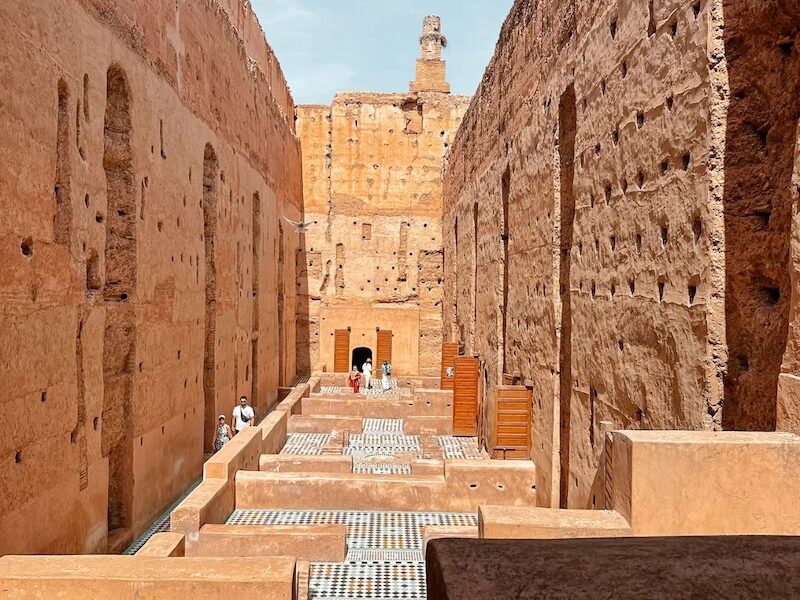
Morocco Landmarks: The Ultimate Guide to Morocco’s Most Iconic Attractions.
Morocco landmarks represent a perfect blend of history, culture, architecture, and natural beauty. From ancient imperial cities to golden desert dunes and dramatic coastlines, Morocco landmarks attract millions of travelers seeking authentic and unforgettable experiences.
Whether you are visiting for the first time or returning to explore deeper, Morocco landmarks offer something for every traveler.
Imperial City Morocco Landmarks:
Among the most famous Morocco landmarks are those found in the imperial cities.
In Marrakech, Morocco landmarks such as Jemaa el-Fna Square, the Koutoubia Mosque, and Bahia Palace reflect the city’s vibrant traditions and royal heritage. These Morocco landmarks showcase exquisite craftsmanship and centuries of history.
In Fes, the Fes el-Bali Medina is one of the oldest living Morocco landmarks in the world. Walking through its narrow streets feels like stepping back into medieval times.
In Rabat, Morocco landmarks such as the Hassan Tower and the Royal Mausoleum highlight Morocco’s political and historical importance.
Desert and Mountain Morocco Landmarks:
The Sahara Desert is one of the most magical Morocco landmarks. Its golden dunes, camel treks, and luxury desert camps create once-in-a-lifetime memories under starry skies.
The Atlas Mountains are also essential Morocco landmarks, offering scenic valleys, Amazigh villages, waterfalls, and hiking trails that reveal Morocco’s natural beauty.
Coastal Morocco Landmarks:
Along the Atlantic coast, Essaouira is one of the most charming Morocco landmarks, known for its historic ramparts, fishing port, and artistic culture.
In Casablanca, the Hassan II Mosque stands as one of the largest and most impressive Morocco landmarks in Africa, combining modern engineering with traditional Moroccan design.
Northern Morocco Landmarks:
Chefchaouen, the blue city, is among the most photographed Morocco landmarks in the country. Its peaceful atmosphere and colorful streets make it a favorite for photographers and travelers alike.
Tangier, where Africa meets Europe, is another important Morocco landmark rich in cultural and literary history.
UNESCO Morocco Landmarks:
Several Morocco landmarks are recognized by UNESCO, including:
- Aït Ben Haddou Kasbah
- Fes Medina
- Marrakech Medina
- Volubilis Roman Ruins
- Meknes Medina
These Morocco landmarks preserve Morocco’s heritage for future generations.
Why Morocco Landmarks Are Unique:
Morocco landmarks stand out because they combine:
- African, Arab, Amazigh, and Andalusian cultures
- Ancient traditions and modern development
- Desert, mountains, ocean, and cities in one country
Exploring Morocco landmarks is not just sightseeing — it is a cultural journey through time.
Conclusion:
Morocco landmarks offer travelers an unforgettable experience filled with beauty, history, and authenticity. From royal palaces and ancient medinas to desert dunes and coastal towns, Morocco landmarks make Morocco one of the most diverse destinations in the world.